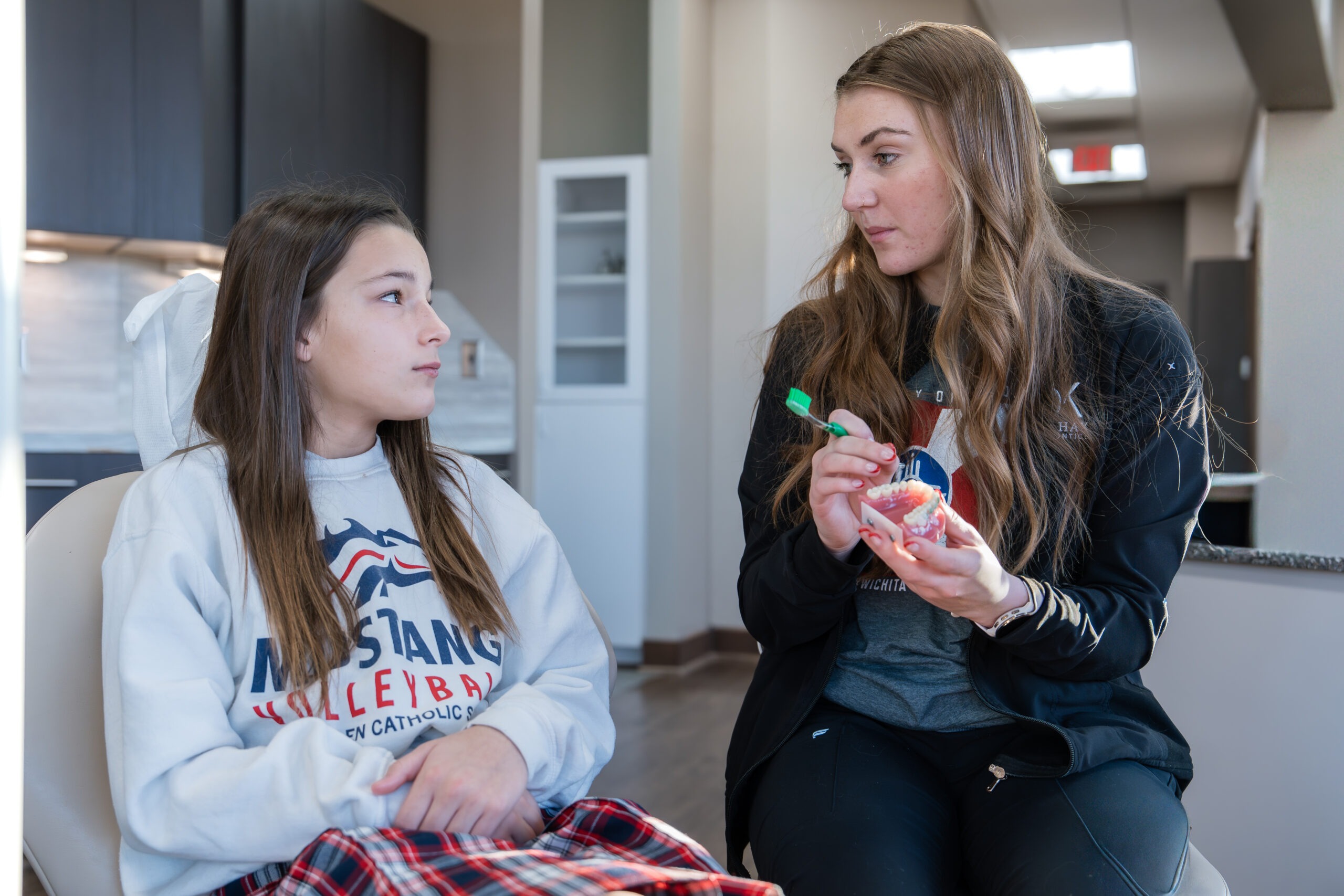
Braces in Derby, KS: What to Expect When You Start Treatment starts with understanding the basics. Braces use small brackets, a flexible archwire, and tiny elastics to gently guide your teeth into better alignment over time. At Dillehay Orthodontics in Derby, treatment usually spans 12 to 24 months, with quick check-in visits every 4 to 8 weeks.
Our Derby office has welcomed families from across the Derby and Wichita area for years, and we treat kids, teens, and adults with the same personalized care. Starting treatment isn’t just one appointment. It’s a short series of steps: your free consultation, a records visit, bonding day, and routine adjustment visits.
You’ll leave your first visit knowing what your smile needs. Dr. Ken Dillehay and Dr. JK Dillehay walk you through every option, so there are no surprises. From our family to yours, we make the start of braces feel manageable, clear, and even a little exciting.
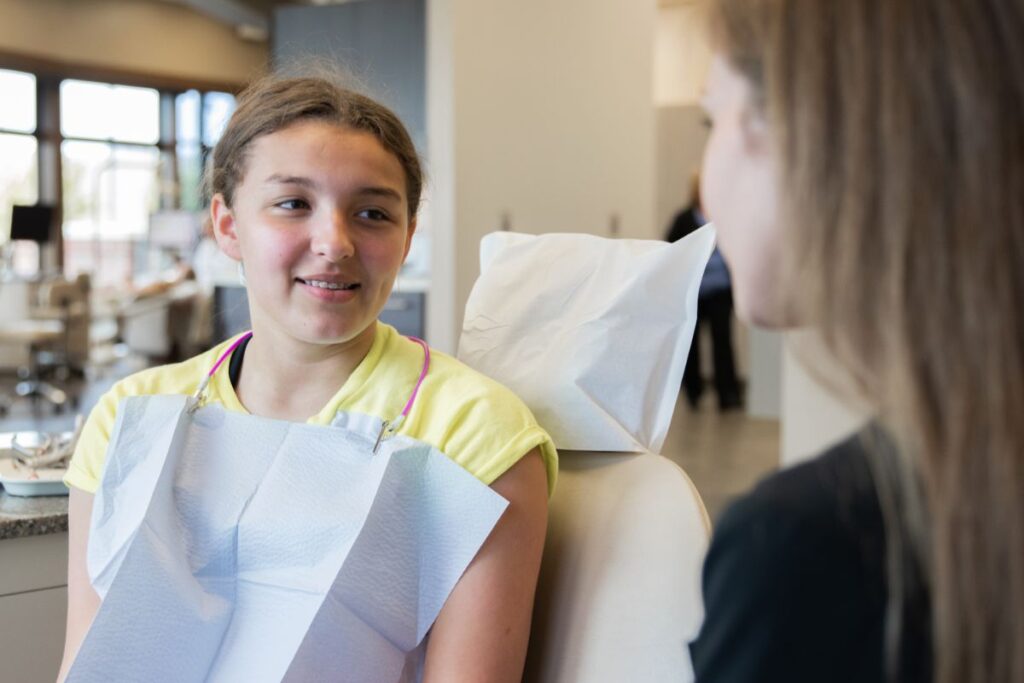
How the Braces Process Works: From Consultation to Bonding Day
Getting braces at our Derby office follows a predictable, step-by-step flow. Here’s exactly what to expect from the day you call us to the day your brackets go on.
- Free consultation and exam. Your first visit at Dillehay Orthodontics is complimentary. Dr. JK Dillehay or Dr. Ken Dillehay, both DDS, MS and Board-Certified Orthodontists, evaluate your bite, alignment, and smile goals. You’ll get a clear recommendation before leaving.
- Records appointment. Next, we take digital scans, X-rays, and photos. These give our doctors a full picture of your teeth and jaw so they can map out a precise treatment plan tailored to you.
- Treatment plan review. We sit down with you and your family to walk through the plan and timeline. You’ll schedule your bonding appointment at this visit.
- Bonding day. This is when your braces actually go on. We clean each tooth, apply a safe dental adhesive, place each bracket, and thread the archwire through. The appointment takes about 1 to 2 hours. You’ll leave with a brand-new look and a care kit to take home.
- Adjustment visits. Every 4 to 8 weeks, you’ll come back for a quick tune-up. We change wires, swap elastic colors if you’d like, and check your progress. Most visits are short.
- Debonding and retainers. When your teeth reach their target positions, we gently remove the brackets and fit you for retainers. Retainers lock in your amazing results for the long term.
Many Derby families also qualify to start your treatment the same day as the free consult, which saves an extra trip.
Benefits of Starting Braces Treatment
Braces do much more than straighten your smile. For Derby families juggling school, sports, and busy weekends, the long-term payoff is worth the time invested. Here’s what you can expect to gain:
- Easier daily cleaning. Straight teeth are simpler to brush and floss, which lowers your risk of cavities and gum issues down the road.
- A balanced, healthier bite. Correcting overbites, underbites, and crossbites reduces strain on your jaw joints. It also prevents uneven wear on your enamel, which protects your teeth for life.
- Relief from jaw tension. Many patients notice less jaw tightness and fewer TMJ symptoms once their bite is properly aligned.
- A confidence boost. A smile you can’t wait to show off makes a real difference at school, work, interviews, team photos, and family events. Teens especially feel the change.
- Proven, predictable results. Braces are one of the most studied treatments in dentistry. According to the American Association of Orthodontists, orthodontic treatment delivers lasting improvements to both function and appearance when guided by a board-certified specialist.
- Options for every age. Kids, teens, adults, and even grandparents start treatment at Dillehay Orthodontics. Age isn’t a barrier. Healthy teeth and gums are the only real requirement.
Every smile tells a story. Starting braces isn’t just about looks. It’s about setting up your oral health for the next several decades. For Derby parents, it’s also about giving your kids a smoother experience as they grow into their adult teeth.
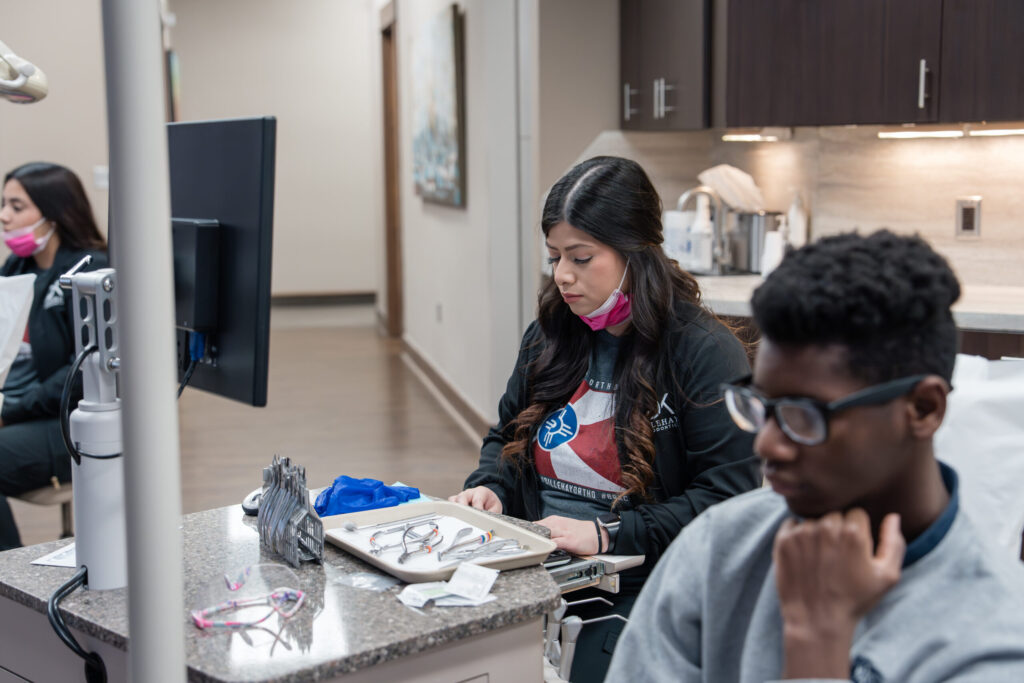
Metal Braces vs Ceramic Braces vs Clear Aligners: Comparison
Not sure which option fits you best? Here’s a side-by-side look at the three most common choices available at our Derby office.
| Feature | Metal Braces | Ceramic Braces | Clear Aligners |
|---|---|---|---|
| Visibility | Visible silver brackets | Tooth-colored, more discreet | Nearly invisible |
| Treatment Time | 12-24 months typical | 12-24 months typical | 12-18 months for most cases |
| Comfort | Durable, requires some adjustment | Smooth ceramic, gentle on cheeks | Removable, no brackets or wires |
| Best For | All case types, kids, teens, adults | Teens and adults wanting subtlety | Mild to moderate alignment needs |
| Removable? | No, fixed to teeth | No, fixed to teeth | Yes, taken out to eat and brush |
| Maintenance | Avoid hard/sticky foods | Avoid staining foods | Clean trays daily, wear 20-22 hrs |
Metal braces remain the workhorse of orthodontics. They’re strong, reliable, and handle even complex bites. For kids and teens, they’re often the first recommendation.
Ceramic braces work just like metal braces but blend in with your natural tooth color. Many adult patients choose them for professional settings.
Clear aligners, including our in-house Simply Clear system, are a great fit if you want a removable option. They work best for mild to moderate crowding or spacing.
All three options are available right here in Derby. Dr. JK Dillehay will help you weigh the trade-offs during your free consultation so you pick what truly fits your life.
Who Is a Good Candidate for Braces?
Most people are candidates for braces, but the ideal starting point depends on age, oral health, and the specific issues you want to correct. Here’s who typically benefits:
- Kids around age 7. The American Association of Orthodontists recommends a first orthodontic screening by age 7. Early visits catch problems like crossbites or crowding while jaws are still growing.
- Teens with permanent teeth. This is the classic age for braces. Permanent teeth have settled in, and treatment moves predictably.
- Adults of any age. It’s never too late. If your gums and bone are healthy, braces work just as well in your 30s, 50s, or beyond.
- Patients with bite issues. Overbite, underbite, crossbite, open bite, crowding, and spacing all respond well to braces.
Some situations need attention first. Active gum disease, significant bone loss, or untreated cavities should be addressed before bonding braces. Our doctors will spot these at your free consultation and guide you on next steps.
Dillehay Orthodontics welcomes Derby families of every age. Your free consultation tells you exactly where you stand and what your options look like.
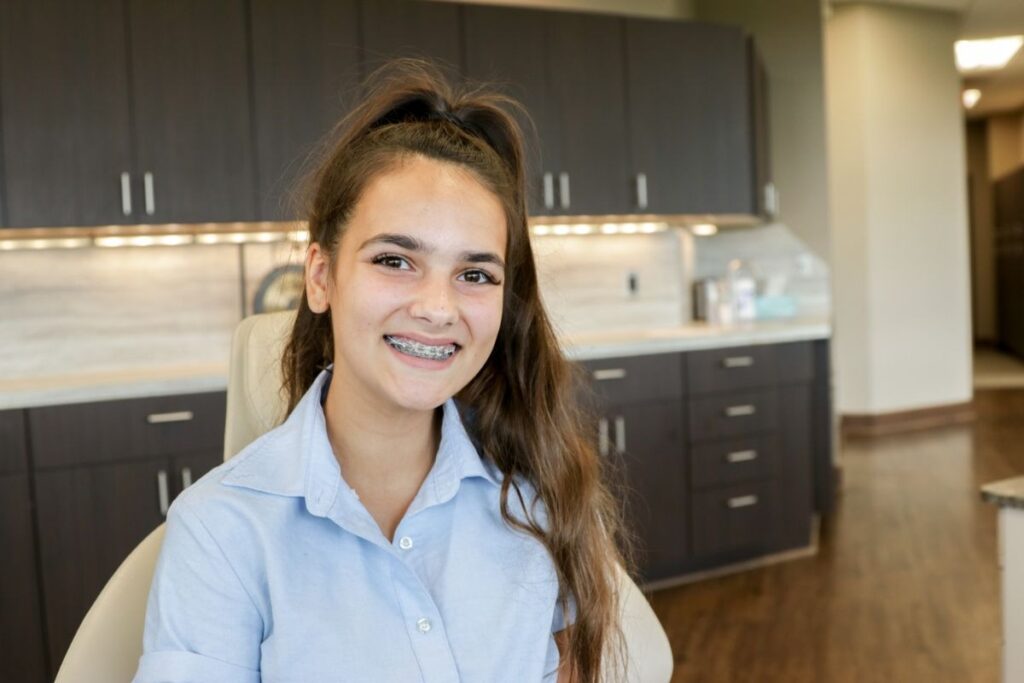
Frequently Asked Questions About Starting Braces in Derby
Does it hurt the first day of getting braces?
Getting braces placed is not painful. The bonding appointment itself is comfortable. In the first few days afterward, your teeth may feel tender or sore as they begin to shift. Most patients manage this easily with soft foods and over-the-counter relief. The soreness usually fades within three to five days.
What disqualifies you from getting braces?
Active gum disease, significant bone loss around the teeth, and untreated cavities need to be resolved before braces go on. Poor daily oral hygiene is another concern, since braces require consistent brushing and flossing. Once these issues are addressed, most patients become good candidates. Dr. JK Dillehay evaluates each situation during the free consultation.
How long does a braces consultation take?
Your free consultation at Dillehay Orthodontics typically takes 45 to 60 minutes. During that time, our doctor examines your teeth and bite, reviews any imaging needed, discusses your goals, and walks you through treatment options. You’ll leave with a clear plan and no pressure to commit on the spot.
How often will I need adjustment visits?
Adjustment visits happen every 4 to 8 weeks throughout your treatment. These appointments are short, usually 15 to 30 minutes, and let our team change wires, check progress, and adjust elastics. Keeping these visits on schedule is one of the best ways to stay on track and finish treatment on time.
What foods should I avoid with braces?
Skip hard, sticky, and chewy foods that can damage brackets or wires. That includes popcorn, ice, hard candy, caramel, gum, whole nuts, and crunchy raw vegetables like carrots or apples unless cut into small pieces. Softer foods like pasta, eggs, yogurt, soft bread, and cooked vegetables are all great choices.
Ready to see what braces can do for you and your family? Dillehay Orthodontics has four convenient offices to serve you: our Derby Office at 1821 E. Madison Ave., Suite 1300, our East Office at 10311 E. Stonegate Lane in Wichita, our West Office at 9909 W. 21st St. N. in Wichita, and our Pratt Office. Call 316-683-6518 or schedule your free consultation online. We can’t wait to welcome you and your family into our orthodontic family.